
Seminole and Gulfport Setback Rules for Synthetic Putting Greens
Professional guidance on Pinellas County permitting and zoning for luxury golf turf installations.
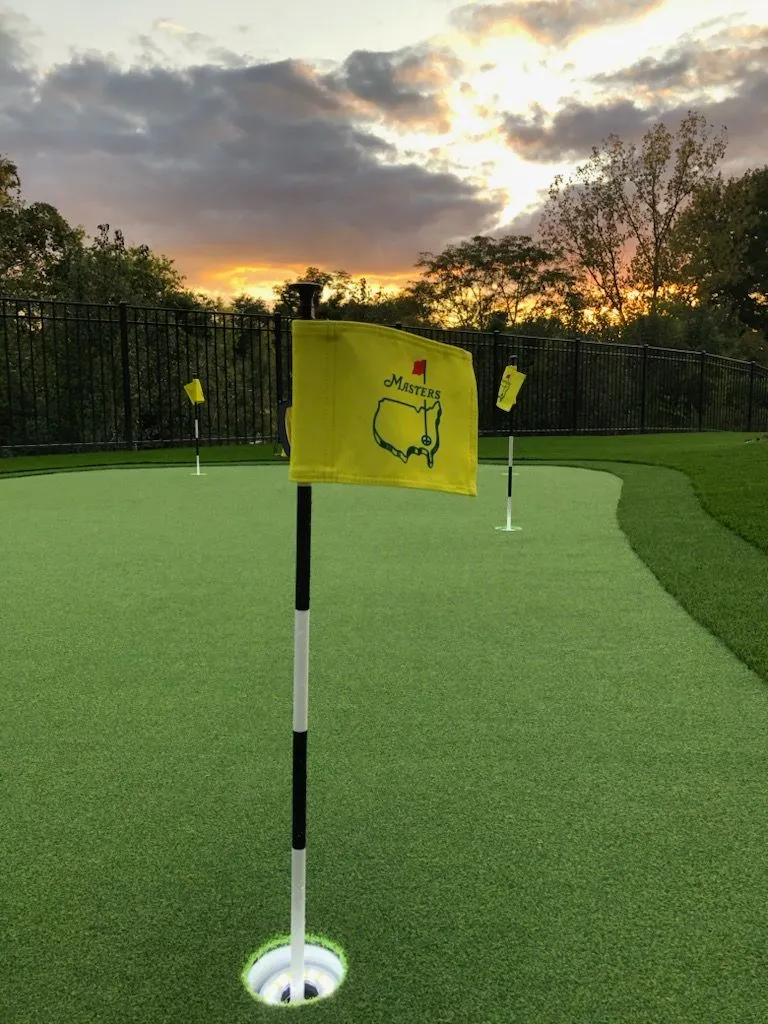
Why Setback Rules Matter in Florida
Local zoning rules apply to "accessory structures" and "hardscape features"—categories that often include backyard putting greens. Failing to follow these requirements can result in code enforcement fines or the costly requirement to relocate the turf. We ensure your design is compliant from day one.
Seminole Setback Rules for Putting Greens
In the City of Seminole, artificial greens are generally treated as accessory recreational features. Key guidelines include:
- Side and Rear Setbacks: Typically 5–10 feet from property lines depending on your specific zoning district.
- Front Yard: Generally restricted; putting greens are rarely permitted in front of the primary structure line.
- Drainage Mastery: Your installation must not divert water onto a neighbor's property.
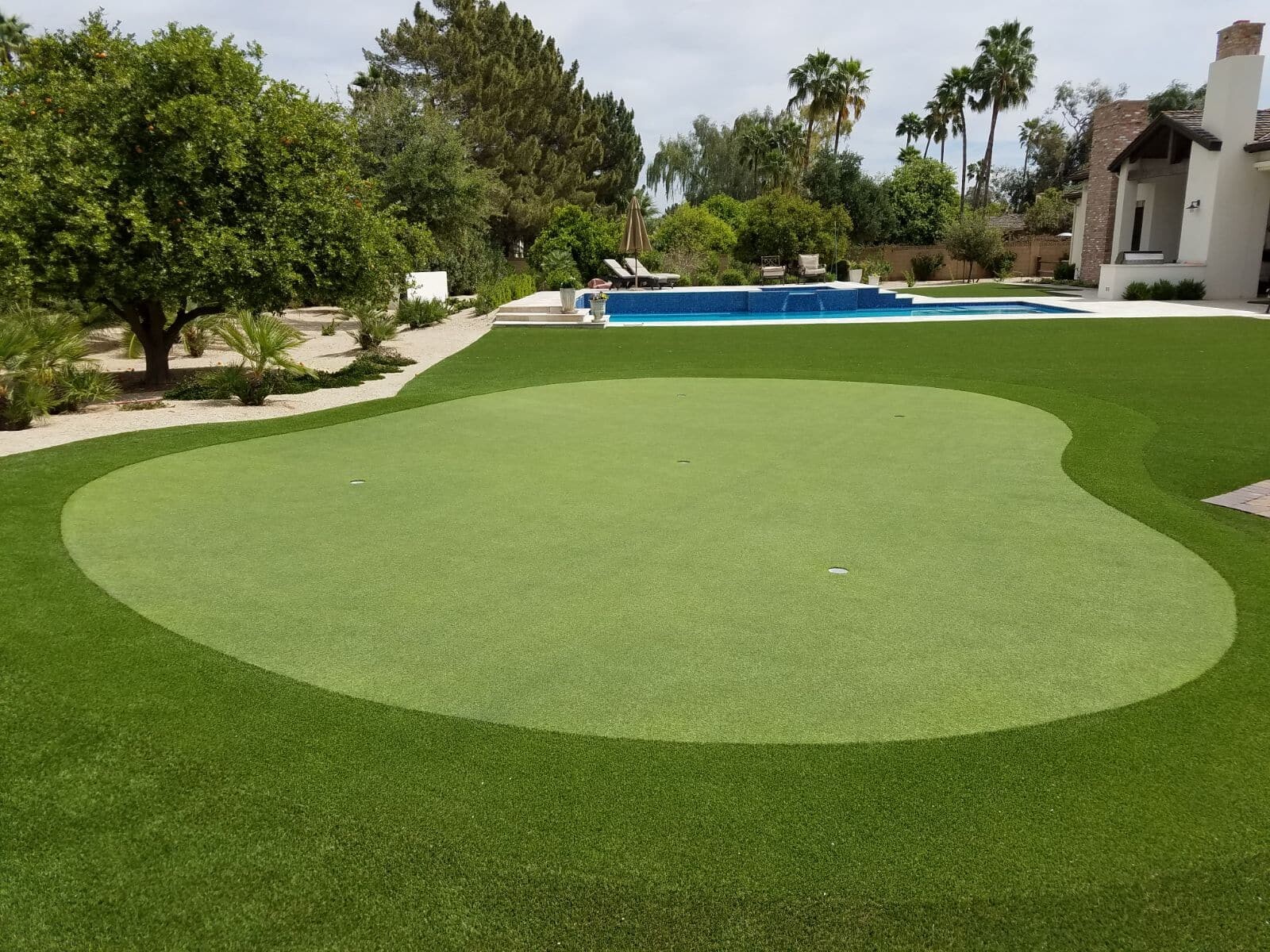
Gulfport Setback Rules for Putting Greens
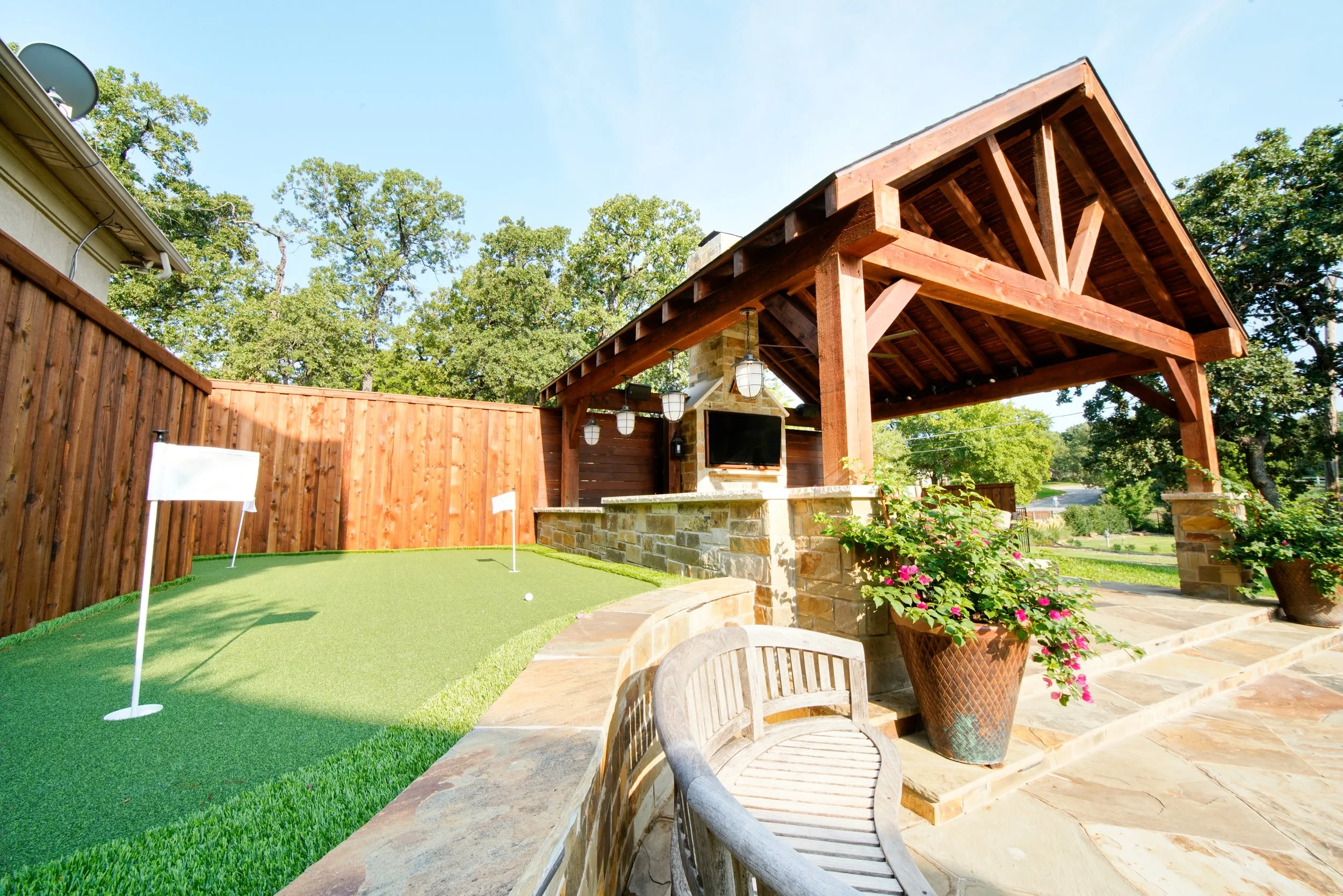
Gulfport maintains unique zoning, especially for coastal properties. While similar to Seminole, consider these local factors:
- Impervious Surface Limits: Gulfport tracks the "permeability" of your lot. We use high-flow drainage bases to help meet these requirements.
- Coastal Setbacks: Properties near the water or seawalls may have additional restrictions to protect the shoreline.
- Rear Setbacks: Typically 10 feet, though smaller lots may qualify for different standards.
Do You Need a Permit?
In most cases, yes. Whether it is a grading permit or an accessory structure permit, the cities of Pinellas County want to ensure the environmental and drainage impact is managed. If you are adding lighting, gazebos, or retaining walls, additional structural permits are required.
Frequently Asked Questions
Do I need a permit in Seminole?
Yes, most professional installations require a residential permit to ensure drainage compliance.
What are the Gulfport setbacks?
Expect a 5-foot side yard and 10-foot rear yard requirement as a general baseline.
Can I use my front yard?
Front yard turf is heavily restricted in Pinellas cities and usually requires a specific zoning variance.
Who manages the paperwork?
Sims & Greens handles the coordination with city planning departments for our clients.
Need Help With Setbacks?
Don't guess on zoning. We’ll review your property lines and provide a professional assessment before you invest.
